
Sintered Stone vs. Quartz
Sintered stone vs. quartz u2014 a composition-level comparison covering heat, UV, outdoor performance, stain resistance, maintenance, and when to specify each.
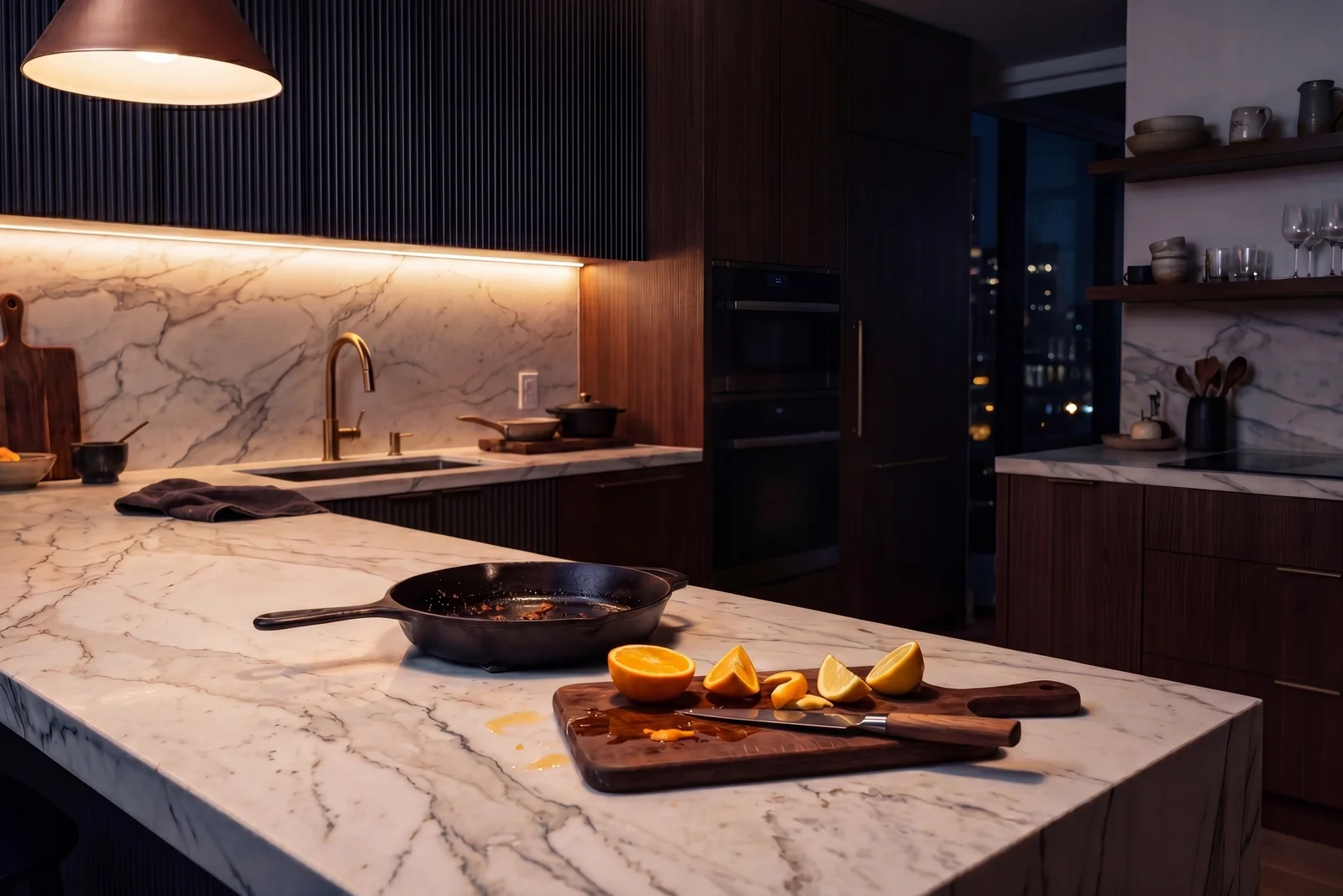
In this editorial
A material comparison for architects, designers, and homeowners — what separates these two premium surfaces, and when each is the right choice.
What They Share
Both sintered stone and engineered quartz are high-performance surfaces designed for contemporary architecture. Both are available in large-format slabs. Both can be fabricated for countertops, vanities, backsplashes, and wall cladding. Both offer a wide range of aesthetics from clean, minimalist solids to realistic marble and stone interpretations.
For many indoor applications, either material will perform well. The question isn’t which is “better”, it’s which is better for what the project actually demands.
The answer, in nearly every case, comes down to composition.
What’s Inside
This is where the two materials diverge, and everything that follows is a consequence of this section.
Sintered stone is composed of 100% natural minerals: feldspar, silica, mineral pigments, and recycled stone particles, fused under extreme heat and pressure. The process mimics natural geological formation, accelerated into a controlled industrial outcome. There are no resins, no polymer binders, no organic compounds in the finished slab. The material is entirely inorganic.
Engineered quartz is composed of 90–93% ground natural quartz bound together with 7–10% polymer resin. The resin is what holds the material together. It also defines the material’s limitations because resin is organic, and organic compounds behave differently under heat, UV, and chemical stress than pure minerals do.
This isn’t a subtle distinction. It determines fire rating, outdoor suitability, heat tolerance, UV stability, and long-term maintenance requirements. Every performance difference between the two materials traces back to what is — or isn’t — binding them together.
Composition is also where the health conversation now lives. That high crystalline-silica content, bound in polymer resin, is the profile under regulatory scrutiny: cutting, grinding, and dry-polishing engineered quartz releases respirable crystalline silica, the dust behind an accelerated silicosis crisis among fabricators and the reason Australia became the first country to ban the manufacture, supply, and installation of engineered stone outright in July 2024. The honest caveat is that silica is not unique to quartz. Sintered stone contains silica too, and virtually any stone releases respirable dust when cut dry, so no surface is truly silica-free. What differs is what binds it and where the risk sits: sintered carries no resin, the exposure to manage is fabrication dust controlled with wet-cutting and extraction, and once installed, the finished surface is inert.
The difference between sintered stone and engineered quartz is the difference between a mineral and a composite. One is fused. The other is bound.
Moreno Ruaro — Technical Advisor, AGL Surfaces
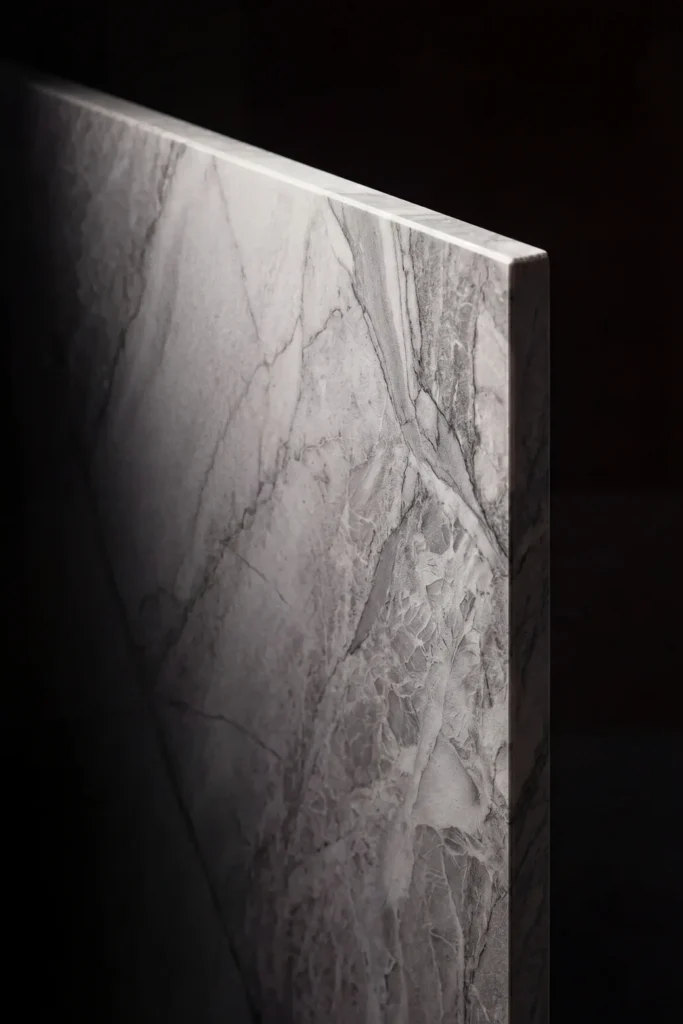
Where They Differ
Sintered stone is non-combustible. Under CAN/ULC-S114 — the standard referenced by the National Building Code of Canada — sintered stone meets the criteria for non-combustibility when subjected to 750°C for fifteen minutes. Hot cookware from a 400°F oven can be placed directly on the surface without risk.
Engineered quartz cannot achieve non-combustibility because of its resin content. The polymer binder begins to soften, scorch, and permanently discolour at roughly 150°C, a threshold documented on the care pages of major manufacturers. Heat marks on quartz countertops are the single most common material complaint in residential kitchens. They are irreversible.
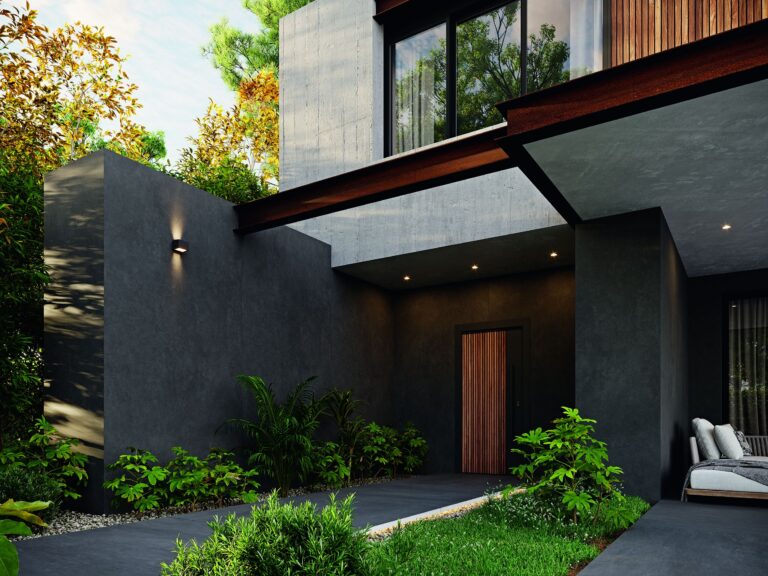
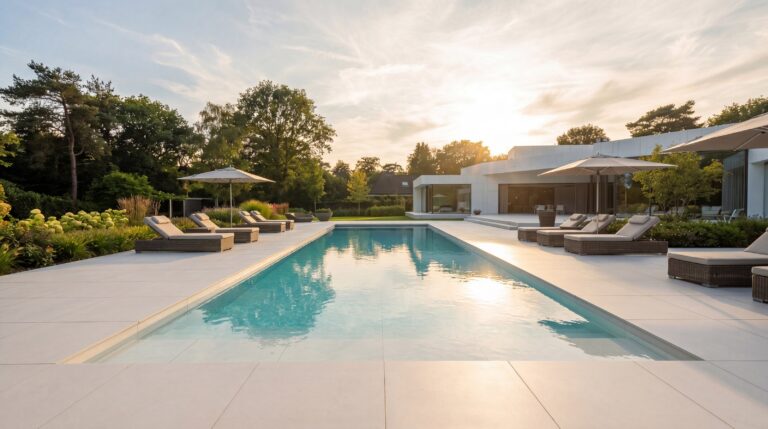
Sintered stone is UV-stable indefinitely. Colour is inherent to the mineral composition and not applied as a surface coating or held together by a degrading resin. Sintered is specified for outdoor kitchens, façades, pool surrounds, and terraces precisely because sunlight does not alter it.
Engineered quartz cannot be used outdoors. UV exposure causes the polymer resin to yellow, fade, and degrade over time. Every major quartz manufacturer voids their warranty for exterior applications. This is not a design limitation. It is a material chemistry limitation.
Both materials perform well in daily use. Sintered stone has zero porosity, so no liquid can penetrate its surface under any circumstances. No sealer is required, no resealing schedule, no maintenance chemistry.
Quartz has very low porosity and is generally stain-resistant, but certain aggressive chemicals, strong dyes, and prolonged contact with specific substances can leave marks, particularly on lighter colours.
Both handle daily kitchen use comfortably. Sintered requires less vigilance over time.
Sintered stone: neutral cleaner, soft cloth. No sealer. No annual treatment. The material requires nothing beyond basic cleaning.
Engineered quartz: similar daily cleaning, but with care around heat (always use trivets), UV avoidance (not near uncovered skylights for extended periods), and attention to chemical cleaners (avoid bleach on darker colours). Not demanding, but not zero-maintenance either.
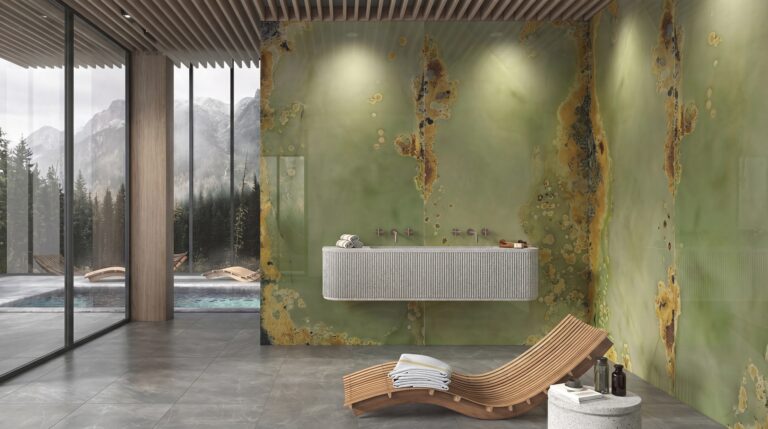
Both materials offer broad colour palettes like marbles, natural stones, solids, and contemporary tones. At the colour level, the two categories are comparable.
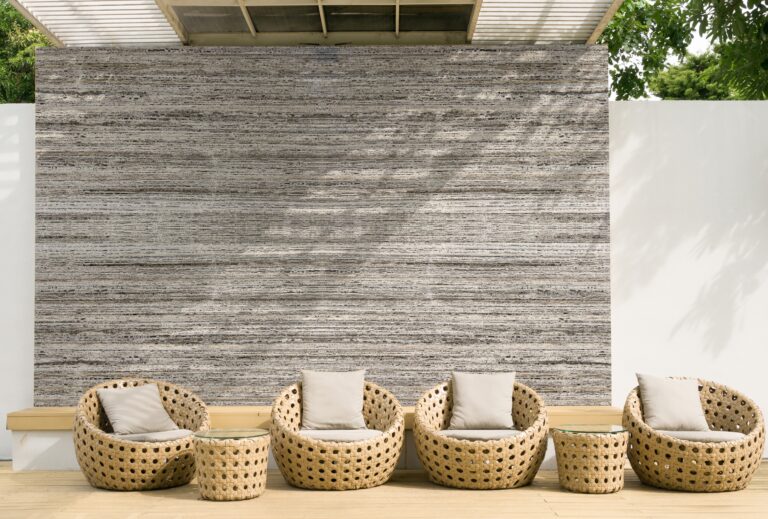
Where they diverge is in what the surface can do beyond colour. Sintered stone is available in finishes that quartz cannot physically achieve: 3D-carved relief, bush-hammered texture, slate-look structured surfaces, and soft-touch matte. These aren’t decorative coatings, they are formed during manufacturing, integral to the slab. A sintered countertop, wall panel, and façade cladding can share the same colour but express three entirely different tactile characters.
Engineered quartz is limited to polished, matte, and occasionally a leather or suede texture. The resin binder constrains the surface to flat profiles. Dimensional texture, carved relief, and architectural finish variation are not available in the category.
For projects where material expression extends beyond colour selection, sintered offers a design vocabulary that quartz does not.
Where Quartz Still Wins
A fair comparison builds more trust than pretending the decision is one-sided.
Fabricator familiarity. Quartz has been the dominant countertop material in North America for over a decade. Most fabrication shops know it deeply. Sintered stone fabrication has matured significantly, cutting and edge profiling are now predictable and clean, but a fabricator’s first sintered project is still slower than their hundredth quartz project.
Upfront cost. Sintered stone is typically priced higher than mid-range quartz at the material level. The total installed cost narrows when you factor in sintered’s zero-maintenance profile and longer performance lifespan, but the initial specification is a harder sell for budget-conscious projects.
When to Specify Each
- The project includes outdoor applications: kitchens, façades, terraces, and pool surrounds
- Building codes require non-combustible materials: commercial, high-rise, hospitality
- The surface will be near heat sources: cooktops, grills, fireplaces
- UV exposure is present: uncovered skylights, sun-facing windows, exterior settings
- Long-term maintenance should be zero: no sealing, no resealing, no chemical care
- The design calls for material continuity from interior to exterior
- The application is indoor countertops or vanities with no significant heat or UV exposure
- Budget is the primary constraint, and the client accepts the maintenance trade-offs
- The fabricator is quartz-experienced and the timeline does not allow for a learning curve
The Choice
The difference between sintered stone and engineered quartz is not simply about the aesthetics. Both deliver refined surfaces for contemporary architecture. It’s more what happens to those surfaces over time, under heat, under sun, under daily use.
Sintered stone is the specification for environments where the material needs to resist what the world does to it. Quartz is the specification for controlled interiors where those stresses are unlikely to apply.
Choose based on what the material will be exposed to. The composition will take care of the rest.
Continue reading.
All editorials → Galleria Editorial · 7 min
The Anatomy of Light & Surface
A study in seven installations from inside the AGL Galleria: how light, shadow, and craft turn natural stone, sintered surfaces, and metalwork…
Galleria Editorial · 7 min
The Anatomy of Light & Surface
A study in seven installations from inside the AGL Galleria: how light, shadow, and craft turn natural stone, sintered surfaces, and metalwork…
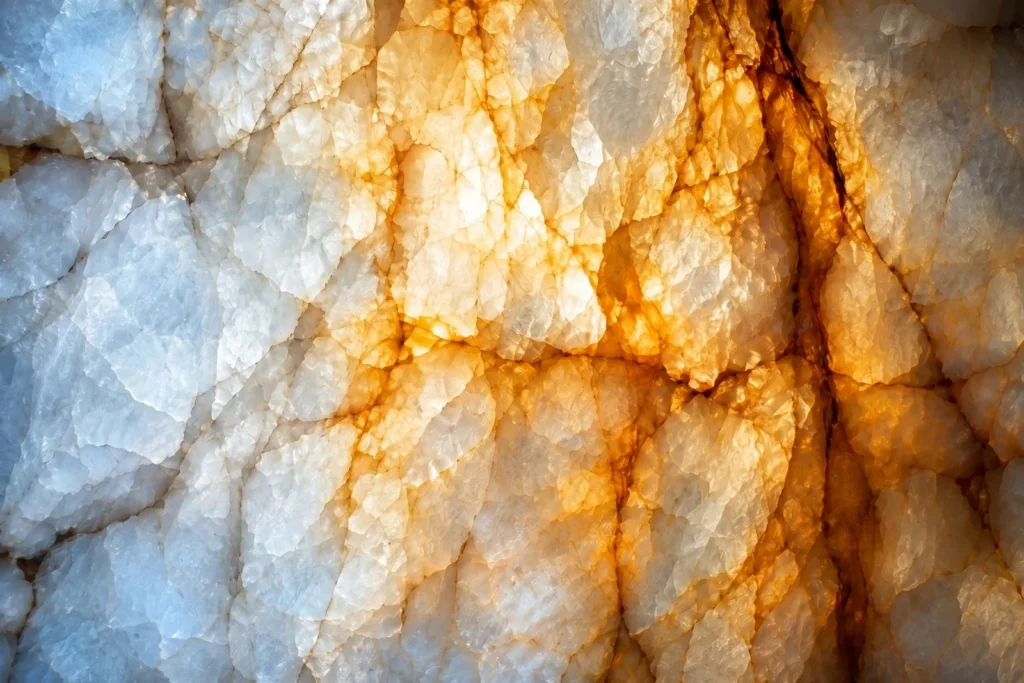 Material Study · 6 min
The Translucent Quartz
Cristallo is the natural quartz that doesn't behave like stone. It accepts light, holds it, and lets it through. A Material Study…
Material Study · 6 min
The Translucent Quartz
Cristallo is the natural quartz that doesn't behave like stone. It accepts light, holds it, and lets it through. A Material Study…
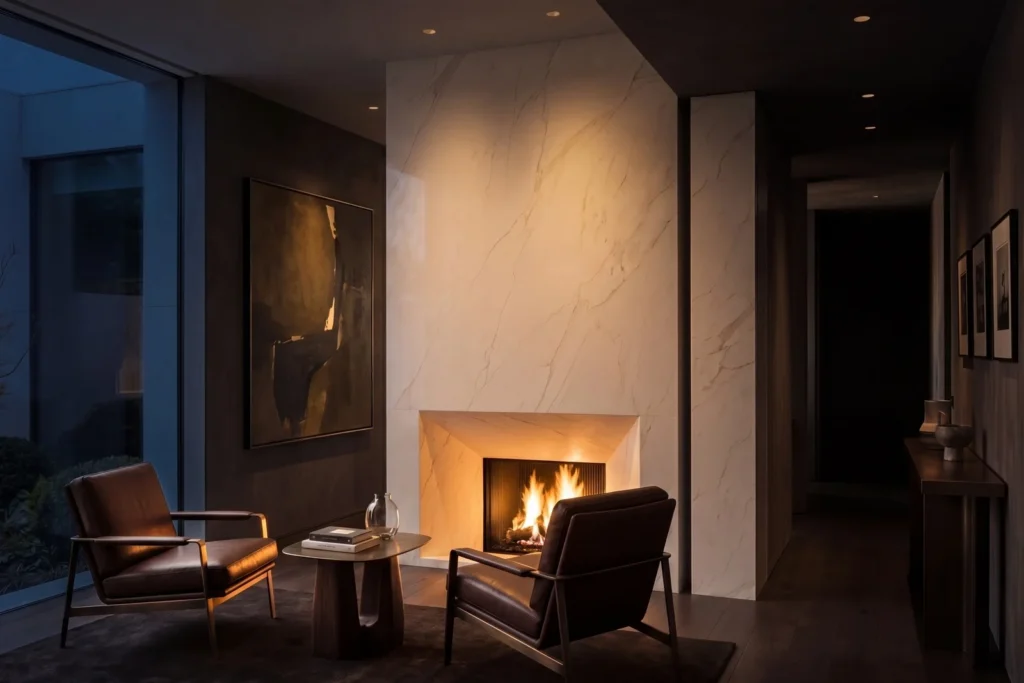 Material Study · 6 min
The Stone That Doesn’t Burn
Sintered stone is non-combustible by composition u2014 pure mineral, no resins, no organic content. A Material Study on the surface engineered for…
Material Study · 6 min
The Stone That Doesn’t Burn
Sintered stone is non-combustible by composition u2014 pure mineral, no resins, no organic content. A Material Study on the surface engineered for…